
_edited_edited_edited_.png)


How to Plan Industrial Mechanical Work Around Shutdowns, Expansions, and Equipment Moves Without Losing Control

Industrial shutdown planning is complex, especially when juggling expansions and equipment moves. Missing a detail can cause costly delays or safety risks that ripple across your entire operation. This post lays out a clear framework to reduce risk, compress schedules with prefabricated pipe spools, and keep your plant running smoothly. Bring Weems Mechanical in early to control every step from planning to commissioning and startup. For more insights, you can read about the art of industrial shutdowns.
Strategic Shutdown Planning
Understanding the intricacies of shutdown planning opens the door to smoother operations. This strategic shutdown section will arm you with the insights needed to ensure every cog in your machine runs like clockwork.
Assessing Shutdown Needs
The first step to effective shutdown planning is a thorough assessment of your needs. You must identify what parts of your operations need attention and why. This approach helps in prioritizing tasks and allocating resources efficiently. By evaluating equipment age, wear, and criticality, you can make informed decisions. Regular inspections and maintenance logs are invaluable for this process.
Incorporating feedback from all departments ensures no stone is left unturned. Each team brings unique insights, helping to refine the shutdown plan. The goal is to minimize downtime while addressing all maintenance needs. This collaborative approach sets the stage for a successful shutdown, reducing the risk of unexpected glitches.
Developing a Comprehensive Execution Plan
Once needs are assessed, developing a detailed execution plan is the next logical step. This involves setting clear objectives, timelines, and responsibilities. Having a structured plan keeps everyone aligned and focused. It also facilitates tracking progress and making adjustments as necessary.
A comprehensive plan involves close coordination with suppliers and contractors. Ensure that all materials and services are scheduled and confirmed well in advance. Buffer times should be included to accommodate unforeseen delays. The execution plan acts as your blueprint, guiding the shutdown process from start to finish.
Ensuring LOTO Safety and Compliance
Safety is paramount during shutdowns. Implementing Lockout/Tagout (LOTO) procedures is crucial for safeguarding your workforce. This prevents accidental machine startups and reduces the risk of injury. Training your team on LOTO protocols ensures that everyone understands their roles and responsibilities.
Compliance with industry regulations is a non-negotiable aspect of shutdown planning. Regular audits and safety drills can help maintain high safety standards. By prioritizing safety, you not only protect your workers but also enhance productivity.
Managing Industrial Expansions
Expansions can be daunting, but with the right strategies, they become manageable. This section explores how prefabrication and strategic coordination can streamline your expansion efforts.
Prefabrication for Schedule Compression
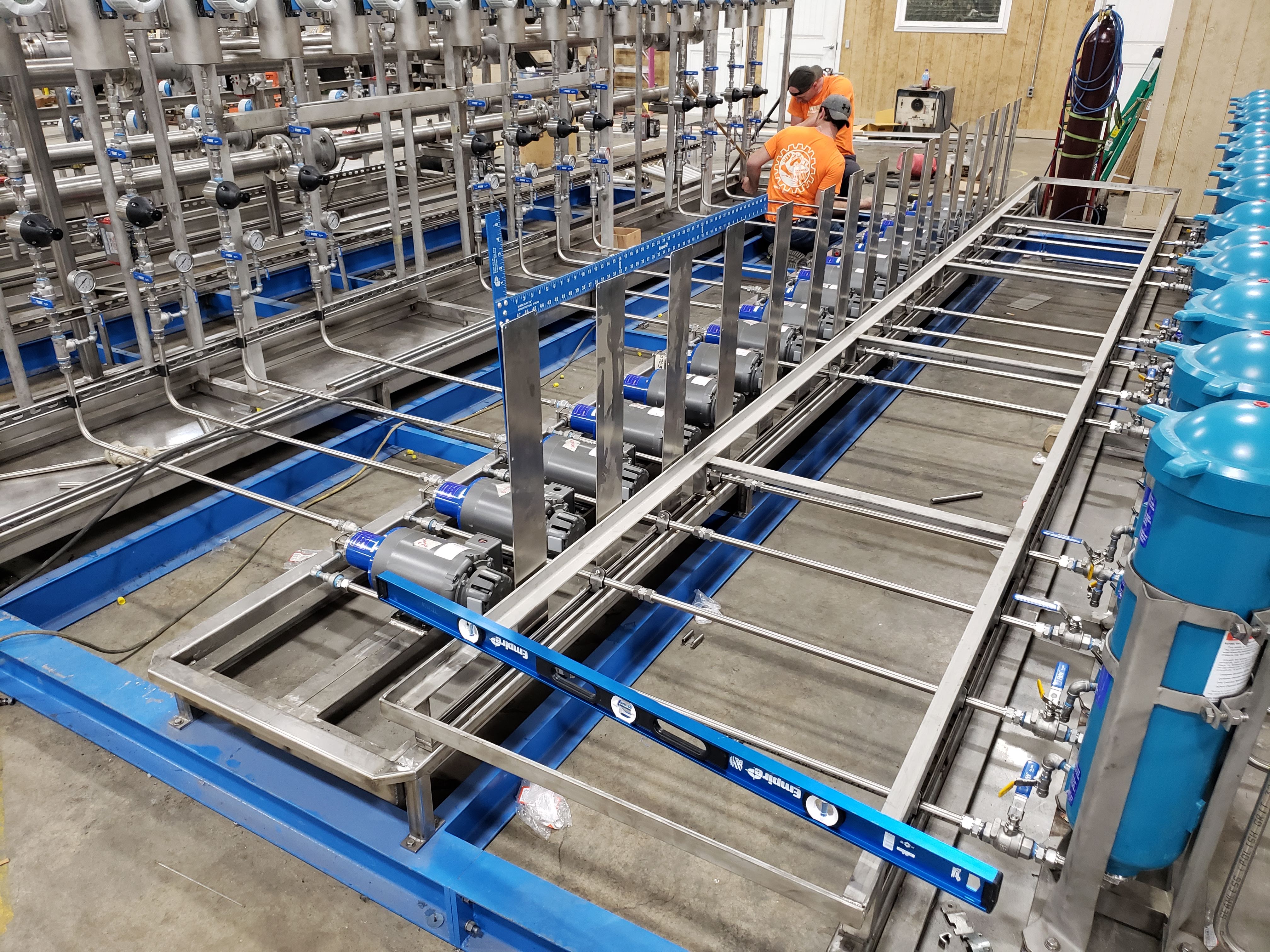
Prefabrication is a game-changer in industrial expansions. By constructing components offsite, you can significantly reduce construction time. This approach minimizes onsite disruptions and accelerates project timelines. Prefabricated pipe spools, for instance, can be installed swiftly, compressing your schedule.
Working with a reliable mechanical contractor ensures high-quality prefabrication. You benefit from expert fabrication and seamless integration into your existing systems. This proactive strategy helps you stay on schedule and within budget.
Effective Equipment Relocation Services
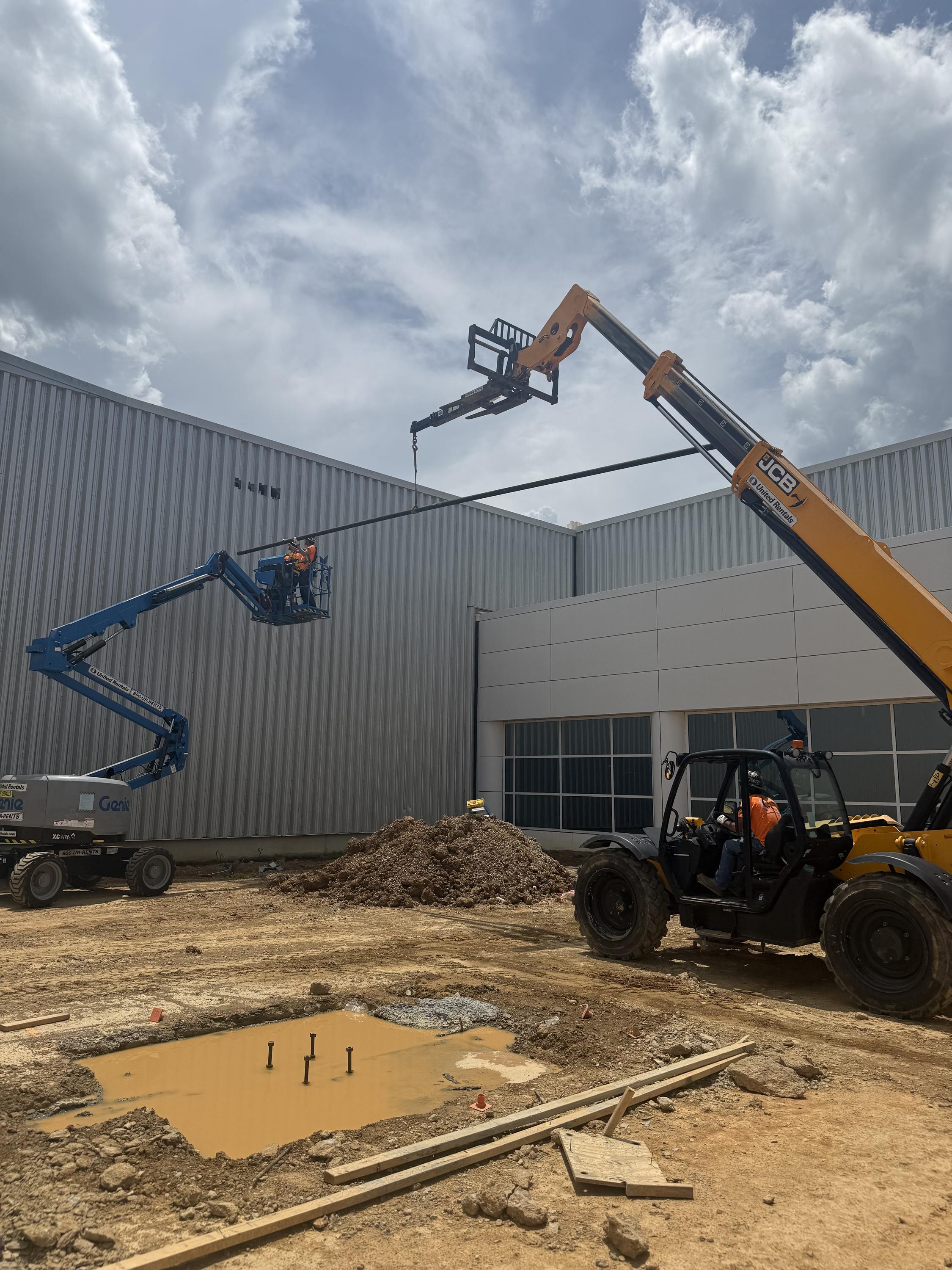
Relocating equipment requires precision and expertise. Effective planning is key to minimizing downtime and ensuring operational continuity. Start with a detailed inventory of all equipment, noting specifications and requirements. This information guides the relocation process, ensuring each piece is handled with care.
Partnering with an experienced equipment relocation services provider is invaluable. They bring the know-how and tools necessary for a smooth transition. From disassembly to reinstallation, their expertise ensures your equipment is moved safely and efficiently.
Coordinating Mechanical and Electrical Systems
Coordinating mechanical and electrical systems is crucial for seamless operations. Effective communication between these teams reduces errors and delays. A unified approach ensures that all systems work harmoniously, preventing costly disruptions.
Regular meetings and progress updates keep all stakeholders informed. This collaborative effort fosters a sense of ownership and accountability. By aligning mechanical and electrical systems, you enhance overall operational efficiency.
Ensuring Seamless Equipment Moves
Smooth equipment moves are attainable with the right strategies in place. This section delves into the critical aspects of process piping, HVAC systems, and quality control for flawless execution.
Process Piping Installation and Prefabrication
Process piping installation is a cornerstone of industrial projects. Prefabricated piping solutions simplify this task, offering precision and efficiency. By fabricating pipes offsite, you eliminate many onsite challenges, reducing installation time significantly.
Engaging a reputable process piping contractor ensures high standards and compliance. Their expertise in material selection and installation techniques guarantees robust performance. Prefabrication not only saves time but also ensures consistent quality across all installations.
Industrial HVAC and Data Center Chillers
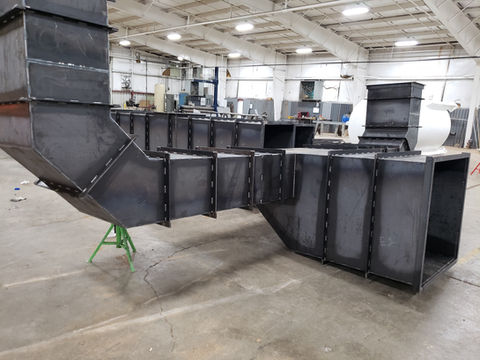
Industrial HVAC systems and data center chillers are vital for maintaining optimal temperatures. Proper installation and maintenance of these systems are crucial for energy efficiency and reliability. A comprehensive approach includes selecting the right equipment, precise installation, and regular maintenance checks.
Partnering with an expert industrial HVAC contractor ensures your systems are tailored to your needs. Their knowledge of industry standards and best practices guarantees efficient operation. Investing in quality HVAC solutions enhances your facility's performance and energy savings.
QA/QC Mechanical and Commissioning Procedures
Quality assurance and quality control (QA/QC) are non-negotiable in mechanical projects. Rigorous testing and inspection of all systems ensure they meet required standards. Commissioning procedures verify that all components function as intended, reducing the risk of future failures.
Implementing comprehensive QA/QC protocols enhances project outcomes. By identifying and addressing potential issues early, you ensure safe and efficient operations. This diligent approach safeguards your investment and guarantees long-term reliability.
Frequently Asked Questions
What is the importance of prefabrication in industrial projects? Prefabrication reduces onsite construction time and accelerates project timelines. It ensures consistent quality and minimizes disruptions, making it a valuable strategy for industrial expansions.
How do I ensure safety during an industrial shutdown? Implementing Lockout/Tagout procedures is crucial for safety. Regular training and compliance audits help maintain high safety standards, protecting your workforce and enhancing productivity.
Why is coordinating mechanical and electrical systems important? Coordination prevents errors and delays, ensuring all systems work together efficiently. This alignment enhances operational efficiency and reduces the risk of costly disruptions.
What are the benefits of using a process piping contractor? A process piping contractor provides expertise in material selection and installation techniques, ensuring robust performance and compliance. Their knowledge guarantees high standards and efficient installations.
How does QA/QC enhance industrial projects? QA/QC protocols involve rigorous testing and inspection to ensure systems meet required standards. This approach identifies potential issues early, safeguarding your investment and guaranteeing long-term reliability.
Comments