
_edited_edited_edited_.png)


How to Evaluate an Industrial Mechanical Contractor for Process Piping, Fabrication, HVAC, and Equipment Installation

Choosing the right industrial mechanical contractor can make or break your project’s timeline and budget. You need a partner who excels at process piping fabrication, HVAC installation, and equipment relocation—with a solid safety record and proven quality controls. This post offers a clear checklist to help you evaluate contractors confidently, highlighting key factors like ASME certified welding, prefabrication capacity, and project management. Keep reading to see why Weems Mechanical stands out as the dependable choice for complex industrial scopes. For more information, visit this link.
Evaluating Safety and Certifications
Ensuring the safety and certifications of a contractor is crucial before starting a project. This section outlines the key safety elements to evaluate.
Safety Record and Training
A contractor’s safety record speaks volumes about their reliability. You want a partner with a proven track record of safe operations. Check their Total Recordable Incident Rate (TRIR) to see their safety performance over time. A low TRIR indicates fewer incidents and a safer work environment. Ask about their safety training programs, ensuring they regularly update their team on the latest safety protocols and practices. Regular training is essential for keeping safety top of mind.
ASME Certified Welding Standards
When it comes to welding, certification is non-negotiable. Look for contractors who adhere to American Society of Mechanical Engineers (ASME) standards. This certification ensures their welding practices meet industry benchmarks for safety and quality. ASME certified welders are trained to perform high-quality welds that withstand pressure and usage over time. It’s a mark of professionalism and expertise, giving you peace of mind that their work will last.
OSHA Compliance and QA/QC Documentation
Compliance with the Occupational Safety and Health Administration (OSHA) is a must. This compliance ensures the contractor follows federal safety regulations. Ask to see their OSHA compliance records and any Quality Assurance/Quality Control (QA/QC) documentation. QA/QC practices ensure that all work meets the required standards and specifications, reducing the risk of costly errors and rework. Proper documentation shows a commitment to maintaining high-quality standards throughout the project.
Technical Capabilities and Prefabrication
Technical proficiency and prefabrication capabilities are vital for project success. These elements ensure efficiency and accuracy in industrial mechanical contracting.
Process Piping and Fabrication Expertise
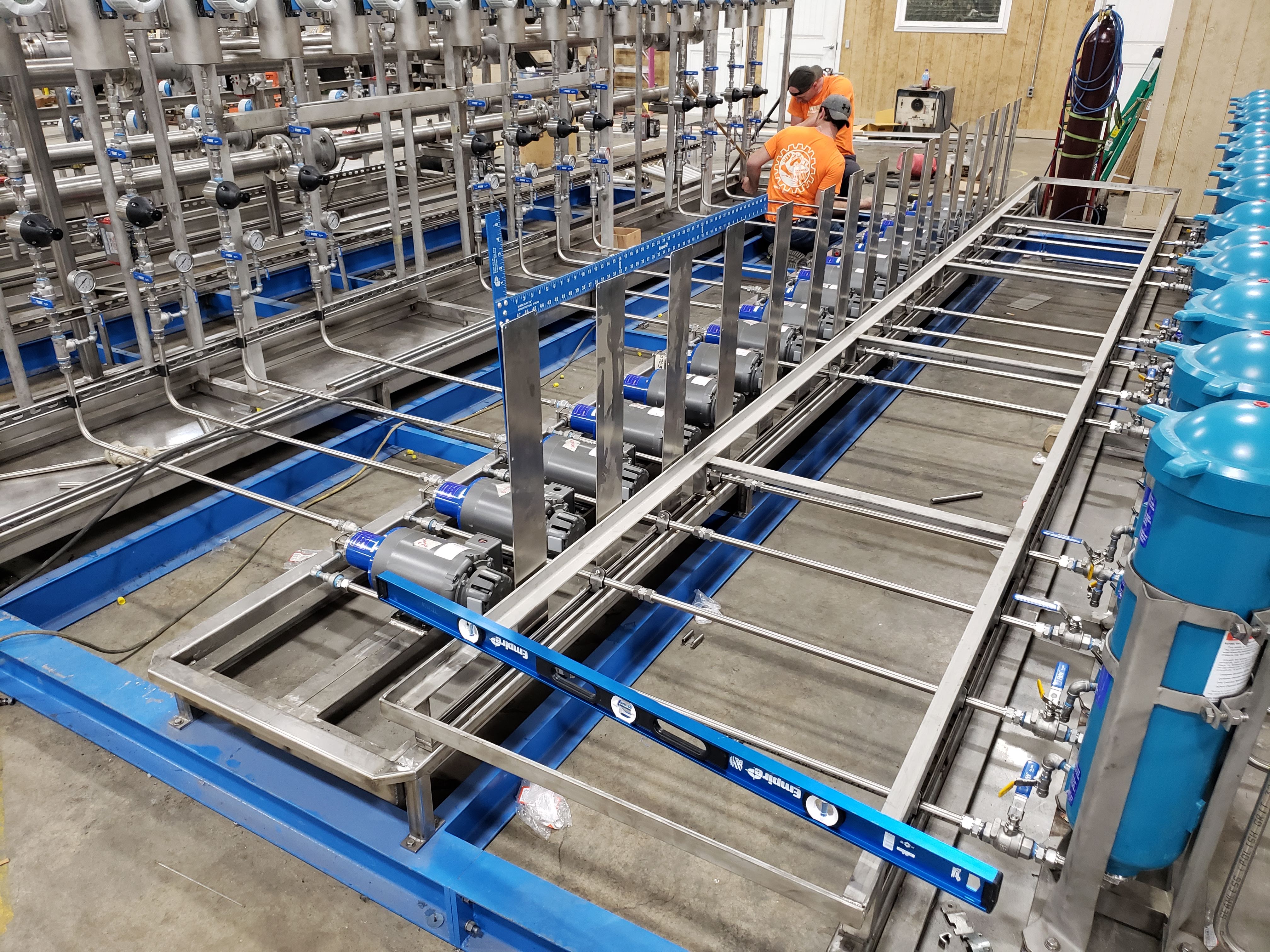
Process piping is a complex task requiring skilled professionals. Ensure your contractor has extensive experience in process piping and fabrication. They should be able to handle various materials like stainless steel, carbon steel, and more. Experienced contractors will identify potential system deficiencies and offer solutions to maximize your facility’s efficiency. Proficiency in fabrication means they can create custom solutions tailored to your project’s unique needs.
HVAC and Equipment Installation Proficiency
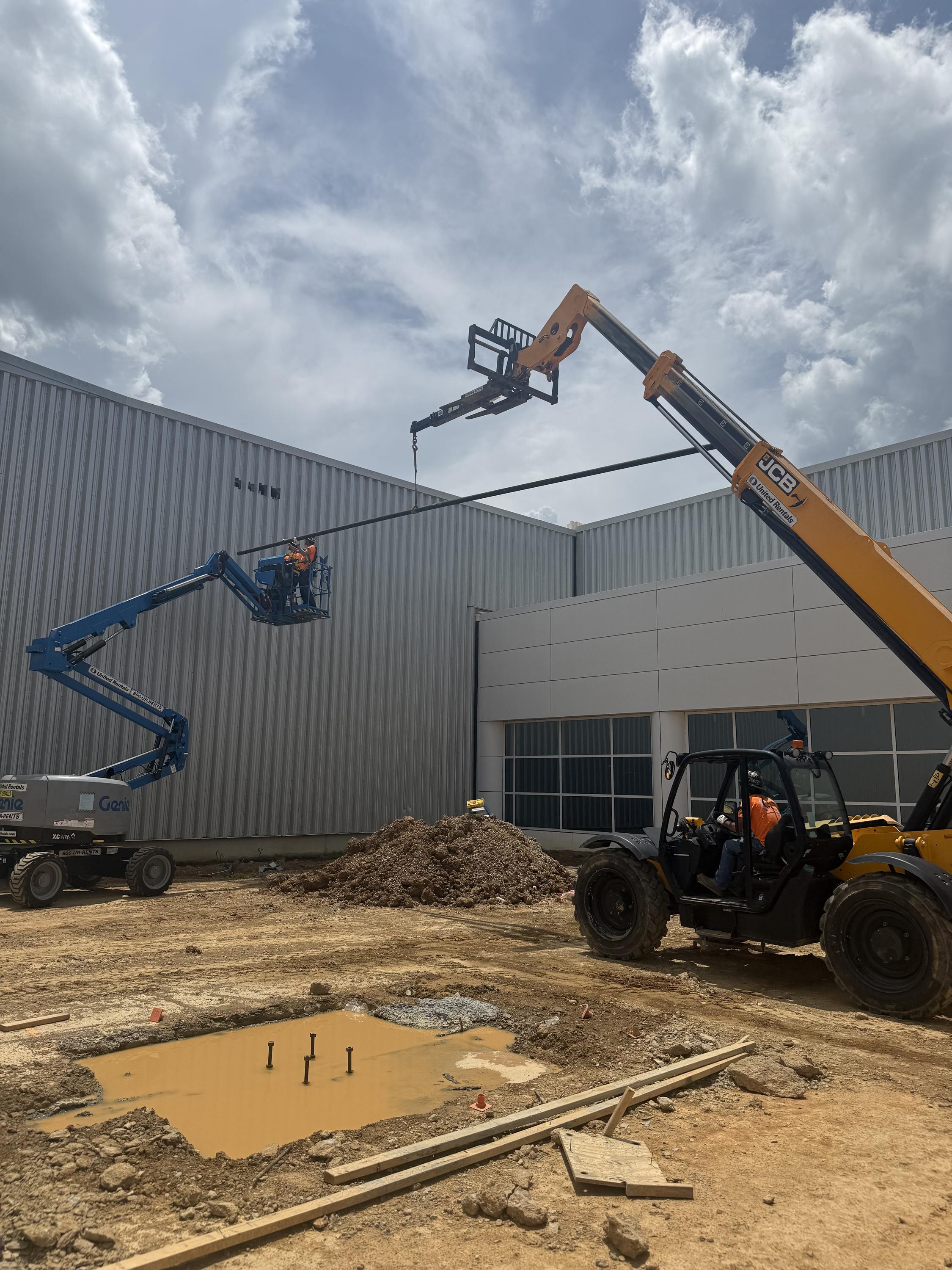
An expert contractor should provide comprehensive HVAC and equipment installation services. This includes setting new equipment and relocating existing systems. They should have certified professionals skilled in rigging, alignment, and installation of various production equipment. The contractor should offer a single point of contact from start to finish, simplifying communication and ensuring a streamlined installation process.
Prefabrication Capacity and Logistics
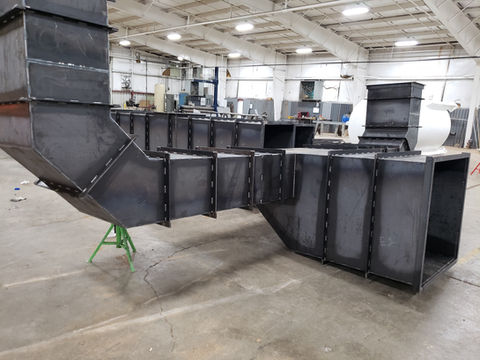
Prefabrication can significantly reduce on-site labor and project timelines. Check if the contractor has a large facility for prefabrication and logistics. They should be able to fabricate components off-site, ensuring precision and quality before installation. This capability not only speeds up the project but also enhances accuracy and reduces on-site errors.
Project Controls and References
Strong project controls and reliable references are indicators of a contractor’s ability to deliver on promises.
Project Management and Documentation
Effective project management is key to success. Ensure your contractor provides comprehensive project management services, including detailed documentation. This includes project timelines, budgets, and scope definitions. Good management practices ensure that projects stay on track and within budget. Documentation provides transparency and keeps all stakeholders informed throughout the project lifecycle.
Design-Assistance and Value Engineering
Contractors that offer design-assistance and value engineering can save you time and money. They can work with your team to optimize designs for efficiency and cost-effectiveness. Value engineering involves evaluating the project’s design to maximize functionality while minimizing costs. This process ensures you get the most value out of your investment.
Client References and Case Studies
Ask for client references and case studies to gauge the contractor’s past performance. Speaking with previous clients can provide insights into their reliability and professionalism. Case studies demonstrate their ability to handle similar projects successfully. Look for examples where they have overcome challenges and delivered exceptional results.
Frequently Asked Questions
What is TRIR and why is it important?
TRIR stands for Total Recordable Incident Rate, a metric used to measure a contractor’s safety performance. A lower TRIR indicates a safer work environment and fewer workplace incidents, making it a crucial factor in evaluating a contractor’s reliability.
Why is ASME certification important for welding?
ASME certification ensures that welding practices meet industry standards for quality and safety. Certified welders are trained to perform high-quality welds that withstand pressure and usage over time, providing assurance of durability and professionalism.
What should I look for in a contractor’s project management practices?
Look for detailed documentation, clear project timelines, and defined budgets. Effective project management ensures projects stay on track and within budget. It also includes transparency and communication throughout the project lifecycle, keeping all stakeholders informed.
Comments